Understanding Vein Conditions
Up to 1 in 3 people suffer from vein conditions. Learn about the different types, symptoms, and when to seek treatment.
What Are Varicose Veins?
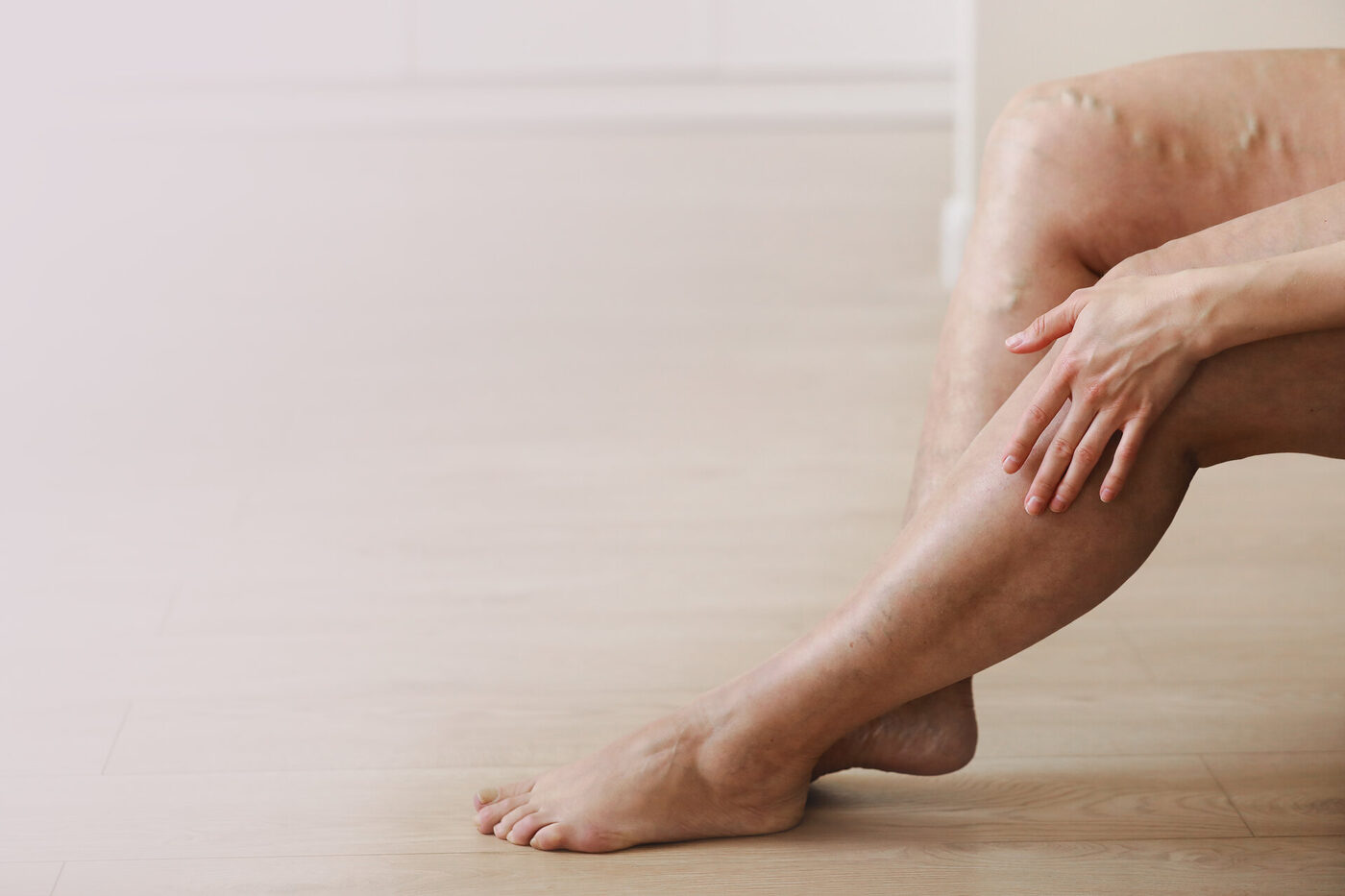
Veins carry blood back to the heart. Inside your veins, small one-way valves open to let blood through, then close to prevent it flowing backwards. When these valves weaken or become damaged, blood can pool in the vein, causing it to swell, twist, and become visible beneath the skin.
This condition is very common, affecting up to one in three adults. While sometimes purely a cosmetic concern, varicose veins can also cause significant discomfort and, if left untreated, lead to more serious health issues.
Types of Vein Conditions
Vein conditions vary in size and severity. Understanding which type you have helps determine the most effective treatment.
Varicose Veins
Enlarged, swollen, twisting veins that are clearly visible under the skin. They most commonly appear in the legs and can range from mild cosmetic concerns to causing significant discomfort.
Spider Veins
Small, fine veins close to the surface of the skin. They appear as red, blue, or purple web-like patterns and are most common on the legs and face.
Reticular Veins
Medium-sized feeder veins that supply spider veins. They appear as blue or green veins beneath the skin and often contribute to the development of spider veins.
Common Symptoms
Vein conditions can cause a range of symptoms beyond their visible appearance. If you experience any of the following, it may be time to seek a professional assessment.
Causes & Risk Factors
Several factors can increase the likelihood of developing varicose veins. Many of these are beyond your control, which is why professional treatment is often the most effective solution.
When to Seek Treatment
While not all varicose veins require treatment, you should consider consulting a specialist if you experience:
- Persistent pain or discomfort
- Skin changes or discolouration
- Bleeding from a vein
- Leg ulcers
- Cosmetic concerns affecting confidence
What If Left Untreated?
Varicose veins rarely improve on their own. Without treatment, the condition may progress and lead to:
- Symptoms typically worsen over time
- Skin damage and discolouration
- Risk of ulcers
- Potential for bleeding
- Reduced quality of life